Tree Pruning in Huntington, NY
WHAT WE DO
Pruning is the difference between a tree that survives 40 years and one that thrives through them. Arbor Care Tree Service
prunes shade trees, ornamentals, and fruit trees across Huntington, NY
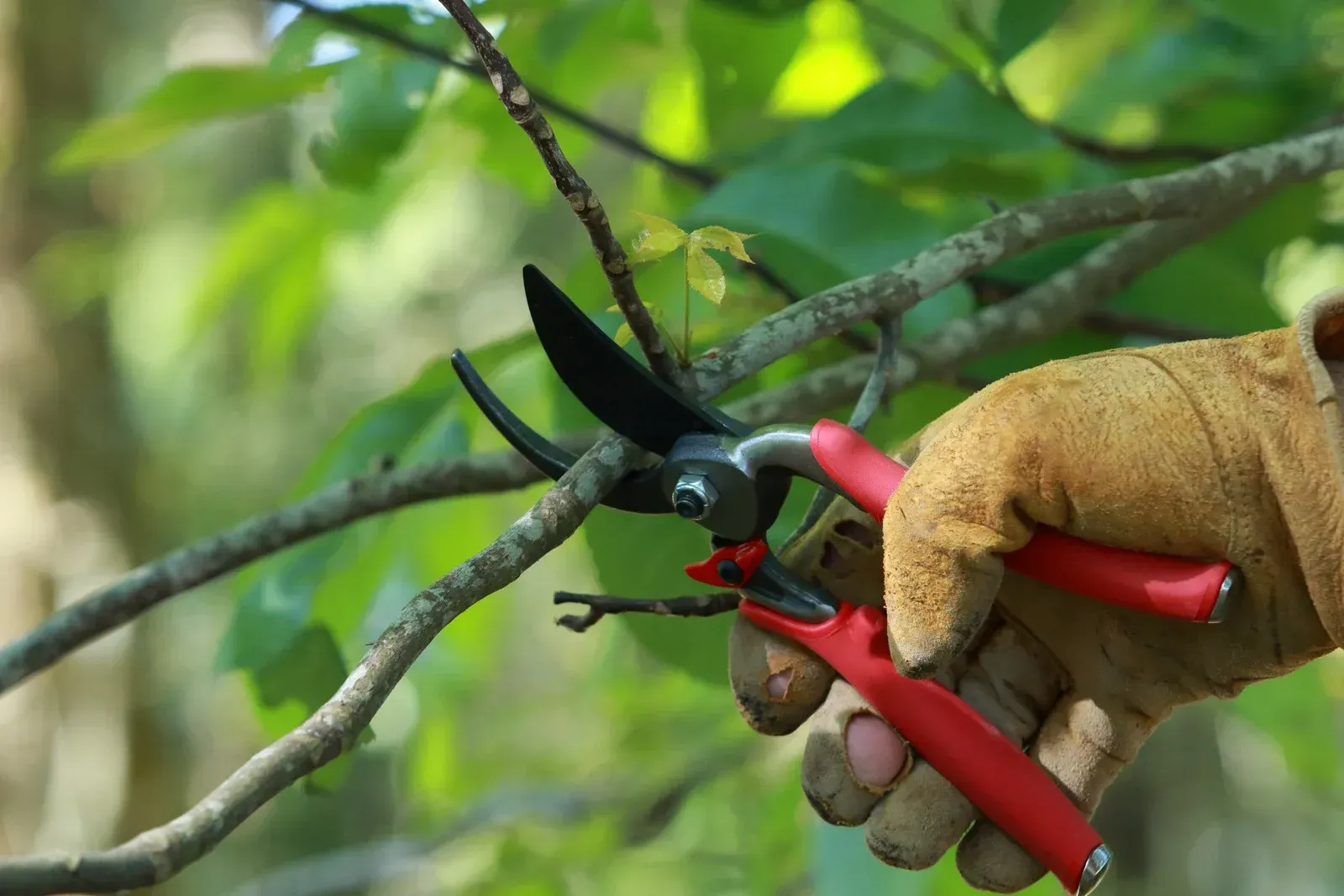
and the wider Long Island area, including Dix Hills, Commack, West Babylon, and East Northport. Where trimming answers to clearance and shape, pruning answers to the tree itself. We remove dead, diseased, damaged, and crossing branches, correct weak attachments before they split, and guide young trees toward the structure they will carry for the rest of their lives. Every cut has a reason behind it, and every reason traces back to the tree's long-term health.
WHERE WE PRUNE
From Newly Planted Saplings to Century-Old Specimens
Age changes everything about how a tree should be pruned. Young trees on new construction lots get structural guidance that prevents the co-dominant stems and included bark that cause failures later. Mid-life shade trees get maintenance cycles that clear deadwood and keep crowns balanced. Old specimens, the kind that came with the house and shade half the backyard, get conservative reduction that eases stress on tiring limbs without triggering the flush of weak regrowth that heavy cutting causes. Fruit trees and ornamentals follow their own timing.
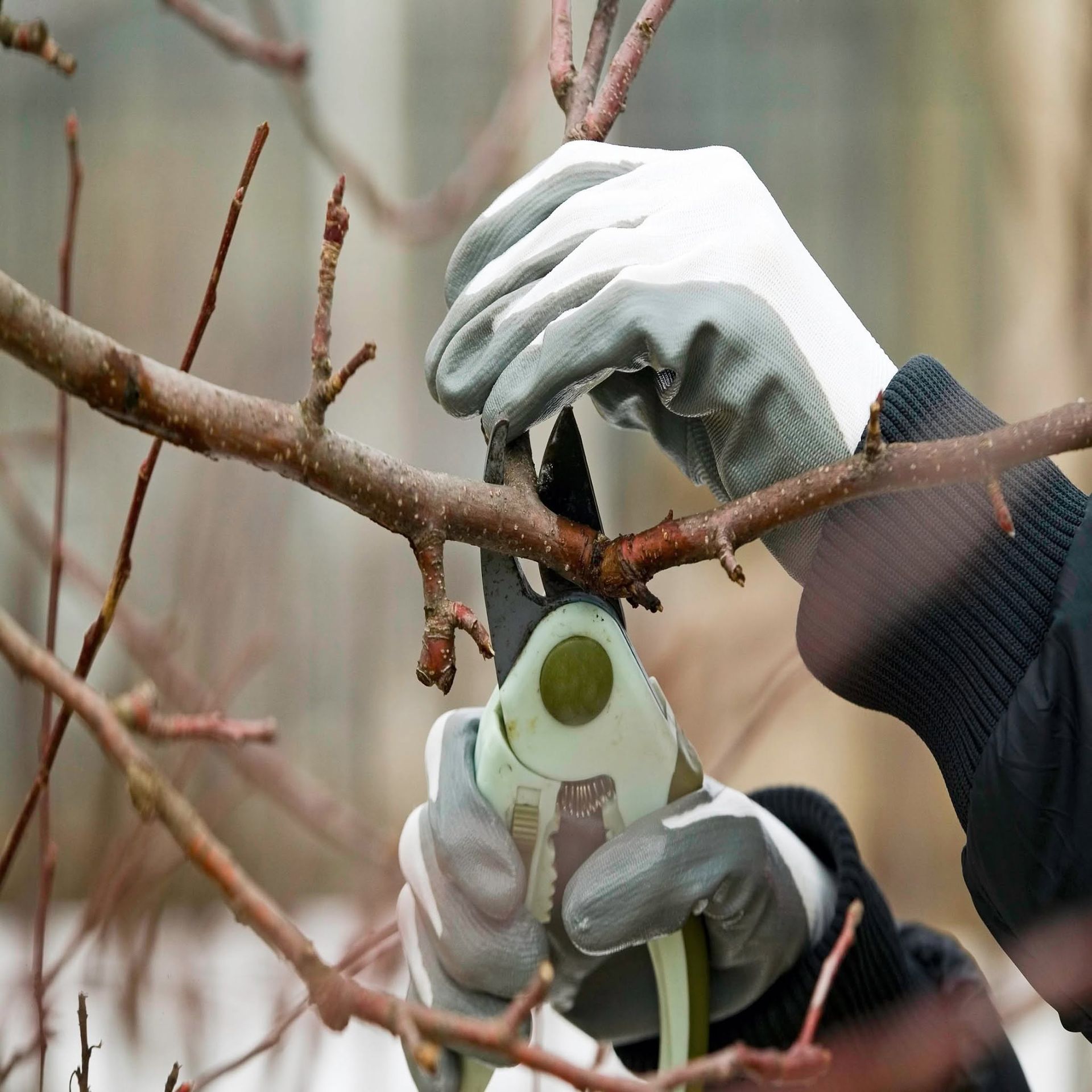
Pruning Services We Offer
Pruning goals shift with the age, species, and condition of the tree in front of us. These are the approaches our crews apply most often on the properties we visit throughout Long Island each season.
01
Structural Pruning for Young Trees
The first 10 years decide a tree's architecture. Establishing a single dominant leader and well-spaced scaffold branches early prevents the split trunks and weak crotches that bring mature trees down in storms 20 or 30 years down the line.
02
Crown Reduction
Trees outgrowing their space can be shortened without topping. Cutting back to substantial lateral branches lowers height and spread while preserving natural form, which keeps the tree stable rather than triggering the mess of weak, crowded sprouts that topping causes.
03
Deadwood and Disease Pruning
Dying limbs feed decay organisms and drop without warning. Removing them, along with cankered or infected wood cut well below the damage, slows disease spread and takes the most likely failure points out of the canopy entirely, before they let go.
04
Fruit Tree Pruning
Productive fruit trees need open centers, controlled height, and renewal of bearing wood. Annual dormant cuts improve air circulation, push sunlight into the interior, and concentrate the tree's energy into fruit rather than into excess leafy vegetative growth each year.
05
Vista and Light Pruning
Selective limb removal opens a view or drops sunlight onto a garden without gutting the canopy. The trick is choosing which branches interrupt the sightline and leaving enough foliage that the tree still reads as a whole, healthy specimen.
06
Restorative Pruning After Damage
Storm-broken trees often keep growing from ragged wounds. Cleaning those breaks back to sound wood and rebalancing what remains lets the tree compartmentalize properly and rebuild a stable crown over the two or three growing seasons that follow the damage.
TESTIMONIALS
What Our Customers Say
What Careful Pruning Gives Back
The payoff from good pruning shows up over years rather than days, which makes it easy to undervalue. These are the returns property owners around here notice most consistently once a few seasons have passed.
01
Fewer Limbs on the Ground
Systematically removing dead and weakly attached branches eliminates most of what would otherwise end up on your lawn, car, or roof. The failures that do happen tend to be smaller, lighter, and far less destructive when they do.
02
Stronger Structure Under Load
Trees pruned for good branch architecture handle snow, ice, and wind loads that split poorly formed ones. Correcting a weak union at 20 years old costs a fraction of removing a failed tree and its damage 20 years further on.
03
Better Light for Everything Beneath
Thinning and raising a canopy changes what grows underneath. Lawns that struggled in deep shade fill in, garden beds get usable hours of sun, and moss stops taking over the shaded north side of the yard within a single season.
04
Slower Disease Progression
Cutting infected wood out early, with tools sanitized between trees, limits how far a pathogen travels through a canopy or across a property. Prompt removal buys years for trees that would otherwise decline and die within a few short years.
05
Fruit Worth Picking
Open, well-pruned fruit trees ripen more evenly, resist fungal problems in humid stretches, and put energy into fewer, better pieces of fruit rather than a heavy crop of small, crowded, disappointing ones nobody really wants to pick or eat.
06
A Shape You Actually Like
Pruning done with the tree's natural form in mind produces something that looks intentional rather than barbered. Years later the tree still reads as itself, only cleaner, better balanced, and considerably easier to live with and to live under.
WHO WE ARE
30 Seasons of Reading Trees Correctly
Arbor Care Tree Service has pruned Long Island canopies for 30 years, which means we have watched the results of our own cuts play out on the same properties. We are fully bonded, meticulous about tool sanitation between diseased trees, and clear about what pruning will and will not accomplish. If you want your trees handled by people thinking about their next 20 years, reach us through the contact page for a free estimate.
Frequently Asked Questions
Why does pruning matter so much for young trees?
Branch architecture set in the first 10 years determines how a tree handles wind and ice for the rest of its life. Correcting a competing leader on a sapling takes one cut; correcting it later on takes considerably more invasive surgery.
What is crown reduction, and when is it used?
Crown reduction shortens a tree by cutting back to substantial lateral branches rather than random stubs. It suits trees that have outgrown their space or need weight eased off limbs that are already showing clear signs of strain and stress.
Can pruning stop a disease from spreading through a tree?
Sometimes, when the infection is caught early and cuts are made well below visible damage into healthy wood. Sanitizing tools between cuts matters enormously, since blades otherwise carry pathogens from one branch straight to the next one that you cut.
How do you decide which branches to cut?
Dead, diseased, damaged, and crossing branches go first, since those decisions make themselves. After that we look at spacing, weak attachments, and balance, removing only what improves the tree's structure without opening the canopy up too much in a single visit.
Does pruning hurt the tree?
A proper cut is a controlled wound the tree seals on its own, and the trade is worth it. Poor cuts, stubs, and excessive removal genuinely do damage, which is why technique matters far more than the tools involved.
How often should ornamental trees be pruned?
Most ornamentals appreciate a light touch every 2 to 3 years, timed around their bloom cycle. Arbor Care Tree Service schedules ornamental work around flowering across Huntington, NY, and some slow-growing specimens need very little work at all.
What is the risk of pruning too heavily?
Removing too much foliage strips the tree of its food factory, forcing it to burn stored reserves. Trees respond with weak, fast-growing water sprouts and become more vulnerable to pests, drought, and long-term stress. Recovery takes several seasons.
Can pruning improve how much light reaches my lawn?
Considerably. Thinning interior growth and raising the lower canopy lets filtered sun through without removing the tree. Arbor Care Tree Service watches struggling shade lawns around Huntington, NY recover within a single season of thoughtful canopy work above.
03
3 Competitive Advantage Number One
Describe the item or answer the question so that site visitors who are interested get more information. You can emphasize this text with bullets, italics or bold, and add links.
Why Choose Arbor Care Tree Service
Your Trusted Tree Team
01
Over 30 Years of Experience
For more than three decades, we've cared for trees across Long Island, and that experience shows in every job. When you're removing a large tree near your home, you want a crew that's seen it all and knows how to do it safely, and that's exactly what we bring.
02
Fully Bonded for Your Peace of Mind
We're fully bonded, so you can trust that your property is protected every step of the way. Tree work carries real risk, and we take every precaution to keep your home, your landscape, and our crew safe.
03
Reliable, Reasonable, and Respected
Our customers come back year after year because we show up when we say we will, charge a fair price, and leave your property cleaner than we found it. Our reputation for honest, dependable service is something we've earned one satisfied neighbor at a time.
04
Skilled Care for Every Tree
From tree removal and trimming to pruning, stump grinding, and hedge care, we handle it all with the skill and attention your property deserves. We know Long Island's trees, and we keep your landscape healthy, safe, and beautiful year-round.
Set Your Trees Up For Healthy Seasons Ahead
Every mature tree on your property is the result of decisions somebody made, or failed to make, when it was young. The good news is that trees are forgiving and it is rarely too late to steer one back toward sound structure. Arbor Care Tree Service approaches pruning that way across Huntington, NY, cutting deliberately, explaining the reasoning, and leaving the canopy stronger than we found it. If your trees have never been properly pruned or it has been long enough that you cannot remember, reach out through the contact page and we will walk the property with you and talk it through.